The Warning Light Over England
By TwelveOneForty Staff
From this side of the Atlantic, England has always looked like the elder sibling: the country that taught the rest of the English-speaking world about free speech, the rule of law and the dignity of the individual. Lately it looks like something else. It looks like a flashing red light on the dashboard, a warning of how quickly a liberal society can turn illiberal, and how politely it can be done.
Consider what John Cleese, of all people, has been sharing. Mr. Cleese spent his career mocking the pompous and the powerful, and Monty Python once put Christianity itself on trial in Life of Brian. This autumn, activists answered his own posts about Islam by referring him to Prevent, the government's counter-radicalization program. He replied, "How exciting." It is hard to imagine a sharper sign of the times than Basil Fawlty being reported as a potential extremist.
He is not the only one under watch. According to custody data reported by The Times, British police make around 12,000 arrests a year over messages posted online, under laws that criminalize communications deemed "grossly offensive." A country that once exported the idea of free expression now polices its tone.
Meanwhile, the hatred that genuinely threatens people has gone largely unchecked. Last Yom Kippur, a man drove into worshippers outside a synagogue in Manchester and stabbed them, killing two. In the first half of this year, the Community Security Trust recorded 1,926 antisemitic incidents across Britain, up 21 percent, with physical assaults rising 82 percent to the highest level it has ever recorded. In a poll by the Campaign Against Antisemitism, 61 percent of British Jews said they had considered leaving the country in the past two years.
Some already have. In a video circulating online, a British Jew explains that his entire family has already left England, and that he is now leaving too. The country, he says, has become unlivable. Then he asks a question that lingers long after the clip ends: "Where are all those good people?"
Then there is the Green Party. A party founded to protect the planet used its conference this autumn to pass a motion equating Zionism with racism and calling for Israel to be replaced by a single Palestinian state. Members voted down an amendment that would have stopped the motion from being used against members for belonging to Jewish community institutions. The European Green Party condemned it. For a movement that once spoke of rivers and forests, it was a remarkable turn: from the environment to a worldview that sorts humanity into oppressors and oppressed, and applies it with special zeal to a single country. It felt less like a change of policy than a mask coming off.
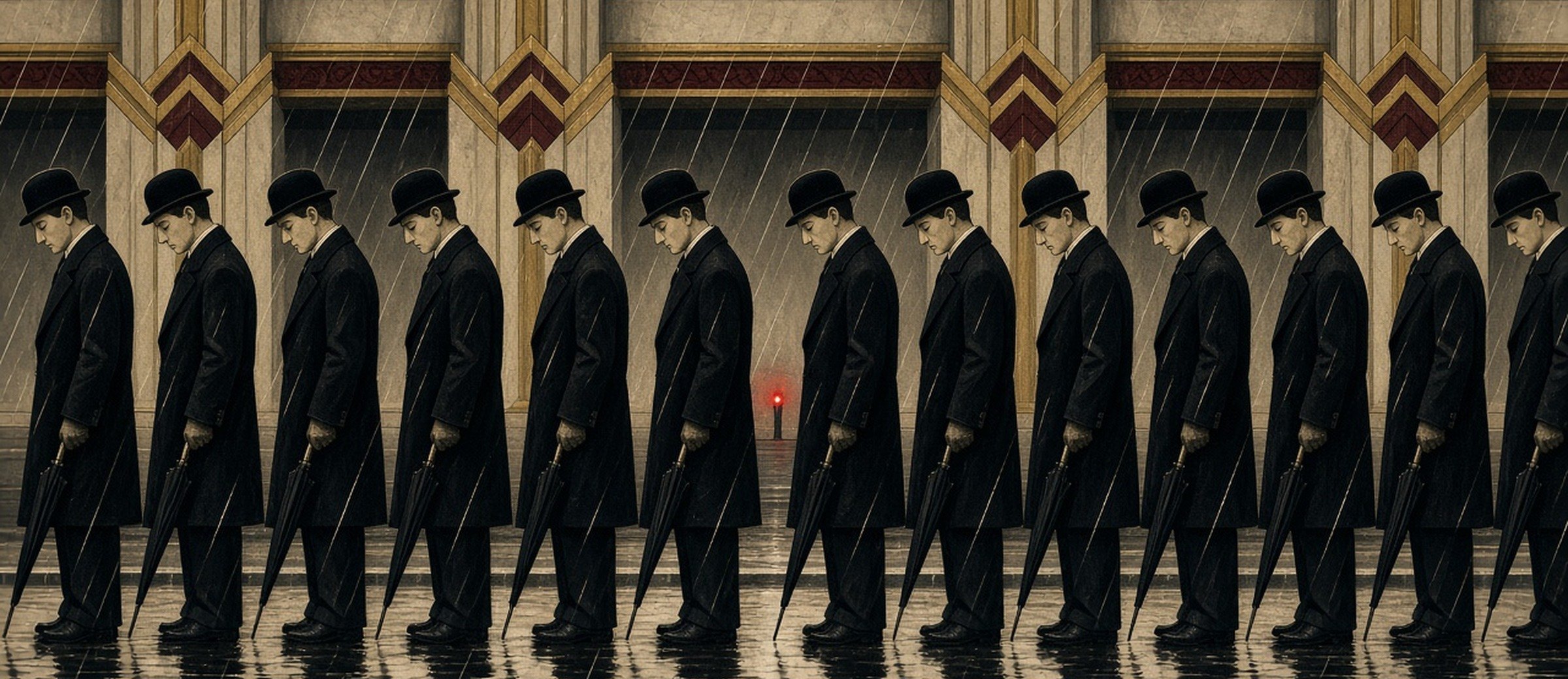
Americans tend to watch Britain the way one watches an older relative: with affection, and with the assumption that whatever happens there could never happen here. That assumption is the danger. The slide did not arrive with tanks or decrees. It arrived through committees, complaints, conference motions and the steady silence of decent people who hoped it would pass. The question that departing Englishman asked is one Americans should be asking now, while the answer is still ours to give: Where are all those good people?
TwelveOneForty is owned by The Westphalian.