First Against the Wall
By TwelveOneForty Staff
Alex Karp, the chief executive of Palantir, builds software for armies and intelligence services, and he is not a man given to self-pity. So it was striking to hear him tell Walter Isaacson, in a newly released interview, who he believes suffers first when a society turns. "The people that get shot the most," he said, "are people with political views, like me." He has always assumed, he added, that in a fascist society, "I will be the first person on the wall."
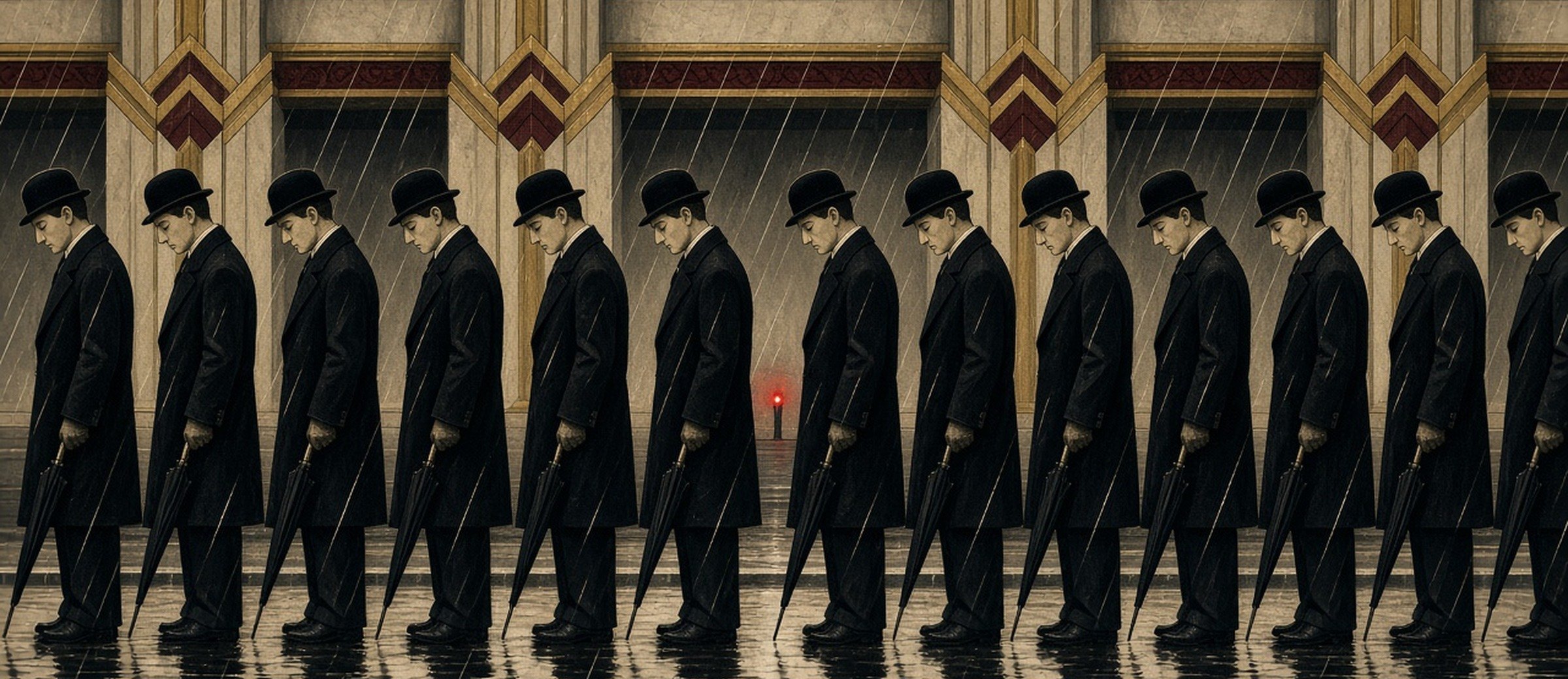
He has history on his side. Dachau, the first Nazi concentration camp, opened within weeks of Hitler taking power, and it was built for political opponents. Stalin's Great Terror executed roughly 700,000 people in two years, many of them loyal communists who had said the wrong thing or were merely accused of thinking it. The two regimes despised each other and claimed opposite creeds. They arrived at the same place: a state where the only crime that went unpunished was the government's own, and where the outspoken were the first to disappear.
That is the old idea of the horseshoe. Follow the far left and the far right out to their ends, and they bend toward each other.
You can watch the bending now. Last week, after Republicans lost Congress, Vice President JD Vance posted his explanation: "The reason we lost is the war." Among his four steps to win voters back was this one: "Change our relationship to Israel." It is a sentence the Democratic Socialists who won seats the same night could have written themselves.
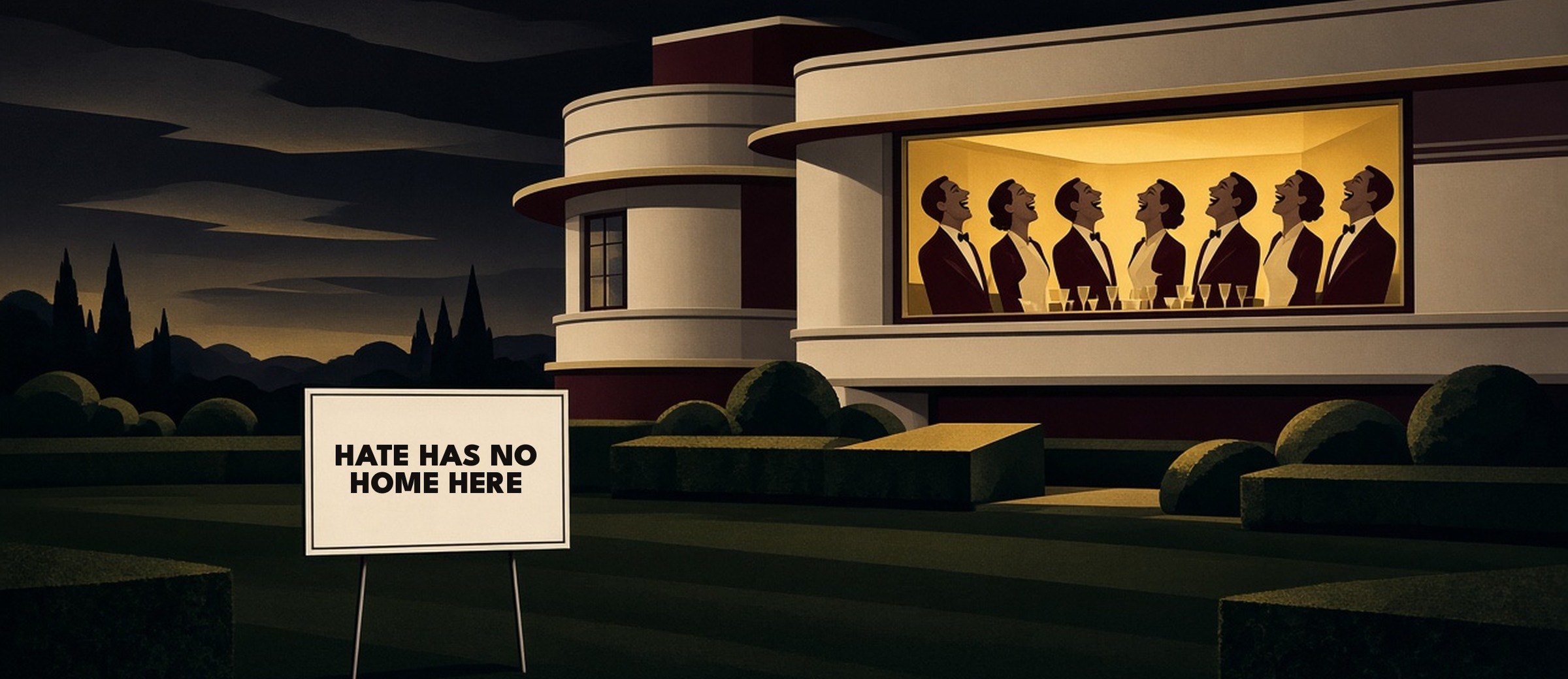
Rabbi Elliot Cosgrove of Park Avenue Synagogue noticed. He described "an unsettling feeling of political homelessness," and saw two parties "with opposing ideological premises, bending toward the same direction." Then he asked the question many liberal Zionists are asking: "Where does one turn when neither side of the political aisle offers comfort?"
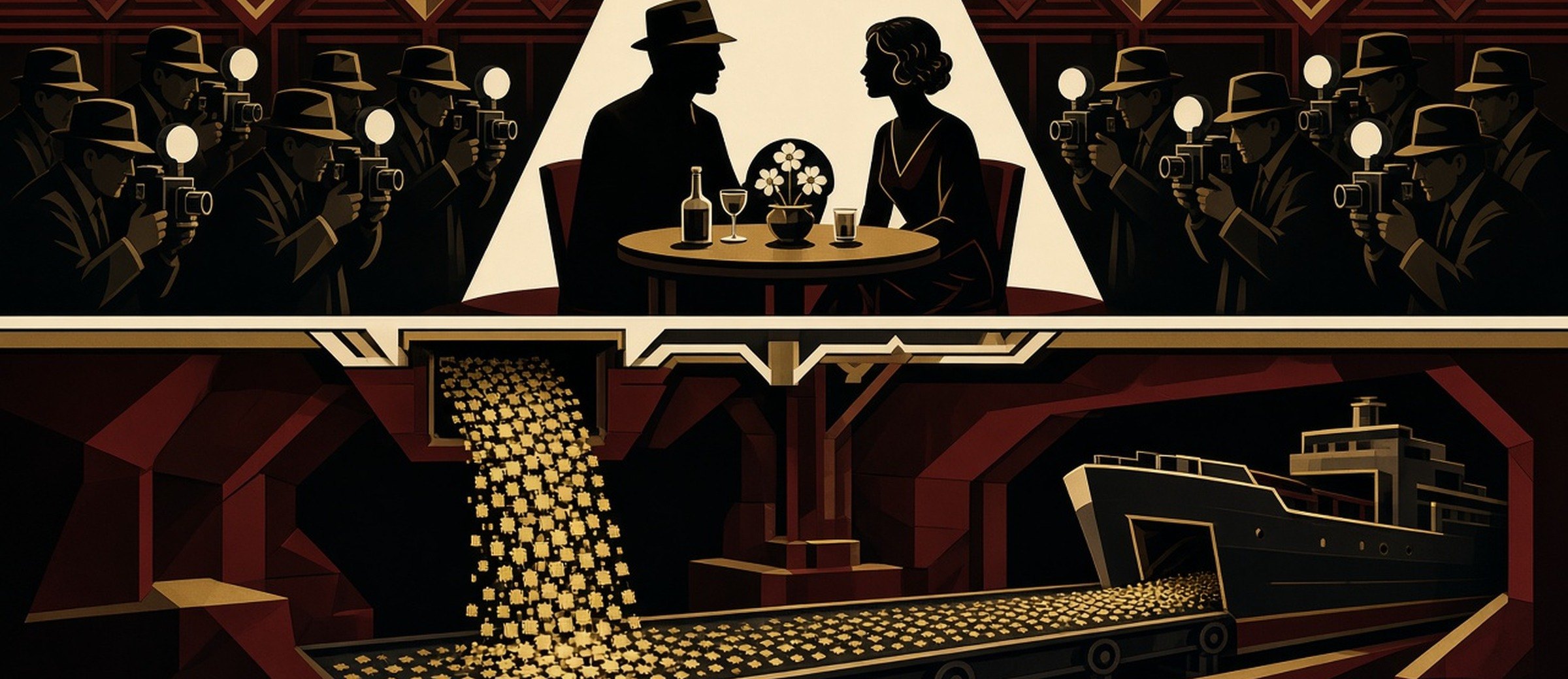
When the extremes agree on who is in the way, the law starts to follow. In a video shared by John Cleese, a man at a street booth in England is attacked, and when the police arrive, he is the one they arrest. It is hard to watch without concluding that the officers had decided whose views they disliked before they decided who had broken the law.
No one is being lined up against a wall in America or in England. But the order of events is always the same. First the unwelcome opinion becomes a nuisance, then an offense, then a crime. Mr. Karp understands where he stands in that line. The rest of us should ask where we stand, and whether we would say so out loud.
TwelveOneForty is owned by The Westphalian.